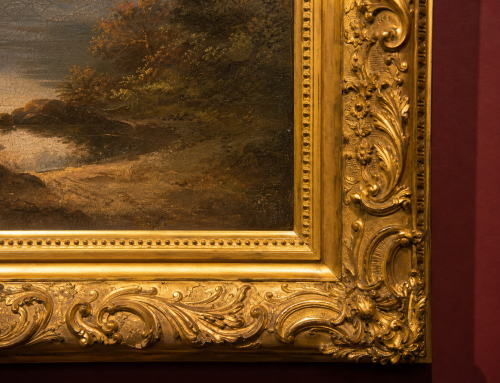
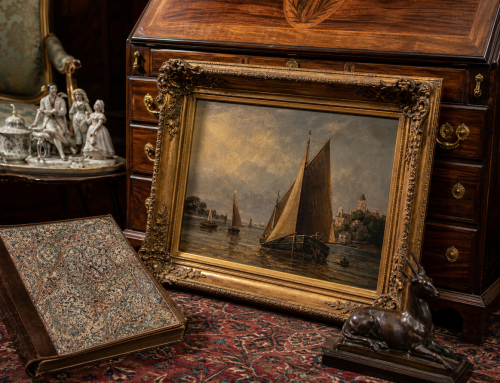
Many homeowners assume their standard insurance policy covers everything inside their home, including their most treasured antiques, fine art, and heirloom furnishings. Unfortunately, that assumption often leads to devastating financial loss when a claim is filed and the payout falls far short of an item’s true worth. A scheduled personal property rider — sometimes called a personal articles floater — is the critical safeguard that closes that gap, and understanding why you need one is especially important if you own valuable antiques in Massachusetts.
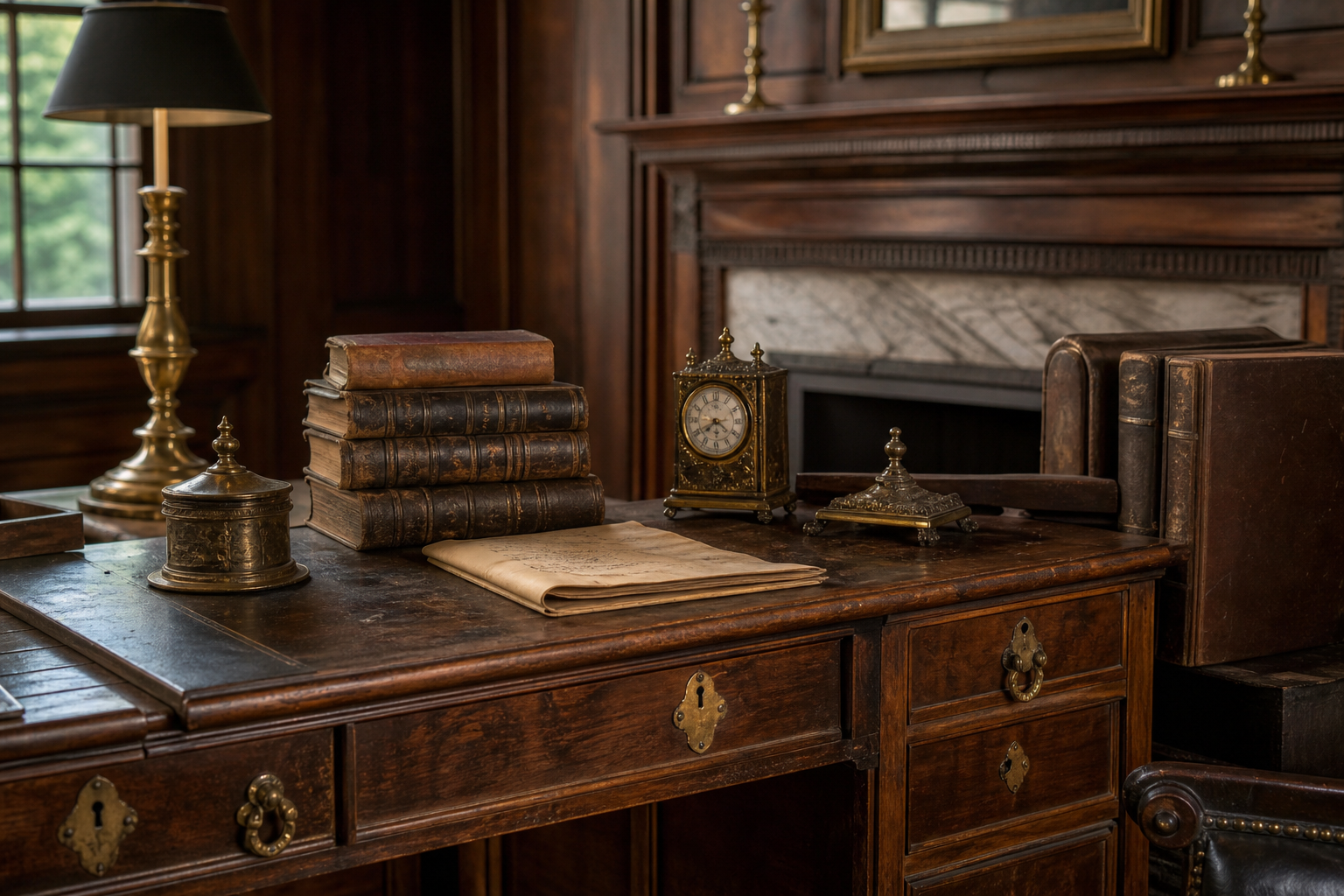
Standard homeowners insurance policies are written for general household contents, not for collections of genuine cultural or financial significance. They typically impose strict sublimits on categories like jewelry, fine art, and antiques — often capping coverage at $2,500 or less per category, regardless of actual value. For a Boston-area homeowner with a dining room furnished in authentic period pieces, a living room displaying 19th-century oils, or shelves lined with rare books, those caps represent a fraction of what they own. A scheduled personal property rider removes those sublimits by listing each covered item individually, with a specific agreed value that reflects current market conditions.
This is precisely where a professional personal property appraisal becomes indispensable. Insurance companies require documented valuations to underwrite a scheduled rider, and those valuations must meet specific professional standards to be accepted. At Manzi Appraisers & Restorers, we are locally owned and operated with over 20 years of experience providing certified appraisals for antiques, fine art, decorative objects, rare books, and furnishings throughout New England. Our appraisals are prepared in compliance with the Uniform Standards of Professional Appraisal Practice and are designed to satisfy the requirements of major insurance carriers.
The value of a scheduled rider extends beyond simply raising your coverage limits. It establishes an agreed value with your insurer, which means that in the event of theft, fire, flood, or accidental damage, you receive the stated amount without negotiation or depreciation deductions. Standard policies pay actual cash value, which factors in age and wear — a calculation that can reduce what you receive for a 200-year-old Chippendale secretary or a signed 18th-century maritime painting to a figure that bears no relationship to its market worth. With a rider backed by a professional appraisal, the documented value is what you recover.
Fall and winter in New England also bring heightened risk. Seasonal heating systems run longer, holiday gatherings increase foot traffic, and the region’s historic homes face the persistent threat of ice dams and water intrusion. If you have not reviewed your coverage heading into the colder months, now is an ideal time to assess whether your most valuable pieces are truly protected. As we discuss in our article on why fire and water damage appraisals require a fine art and antiques specialist, the intersection of seasonal hazards and inadequate coverage can leave collectors in a very difficult position.
For homeowners navigating an estate or considering how to manage inherited pieces alongside existing collections, understanding what happens to fine art and antiques during a New England estate sale can also inform how you document and insure new additions to your holdings.
Protecting what you own starts with knowing what it is worth. Our team at Manzi Appraisers & Restorers is ready to provide the certified personal property appraisals you need to secure a scheduled rider and ensure your antiques and fine art are covered at their true value. Call us today at 617-995-0022 or connect with us on Facebook at https://www.facebook.com/ManziAppraisers/ to schedule your appraisal consultation.