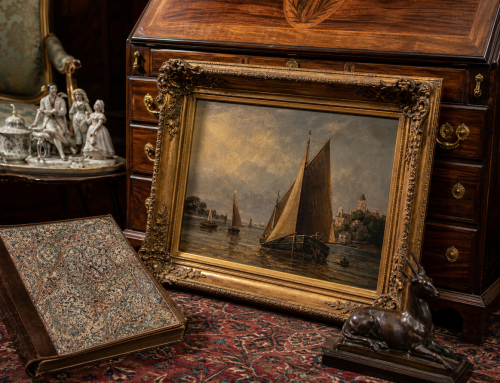
The frame surrounding an original painting is far more than a decorative border — it is an active participant in that work’s preservation, presentation, and market value. At Manzi Appraisers & Restorers, we have spent over 20 years as a locally owned and operated firm in Boston witnessing firsthand how poor framing decisions quietly damage fine art, while thoughtful, professional framing choices protect and even elevate a painting’s worth for generations to come.
One of the most common and damaging mistakes we encounter is the use of acidic matting materials placed directly against the painted surface or its edges. Over time, acid migration from low-quality wood, cardboard, or paper components causes irreversible yellowing, staining, and structural deterioration of the canvas or panel. Conservation-grade, acid-free materials are not simply a premium option — they are the professional standard for any original work of value, and they make a measurable difference when an appraiser examines a painting’s condition.
Moisture control is equally critical, particularly here in New England where seasonal humidity swings are dramatic. As autumn deepens and interior heating systems activate, the rapid drop in relative humidity causes canvas fibers to contract while paint layers expand and contract at a different rate — a cycle that accelerates cracking and flaking over years. Professional framing addresses this by incorporating appropriate backing boards and, where warranted, humidity-buffering materials that slow the rate of change inside the frame’s microenvironment. This kind of protection is not achievable with standard commercial framing and requires genuine expertise in conservation principles.
Ultraviolet light exposure is another major threat that professional framing choices directly mitigate. Museum-quality UV-filtering glazing — whether acrylic or glass — blocks the wavelengths responsible for fading pigments and degrading varnish layers. Many collectors underestimate how much ambient light, even in a room without direct sunlight, contributes to cumulative light damage over decades. The difference between a painting framed with UV-protective glazing and one framed with standard glass becomes visible in as little as ten to fifteen years.
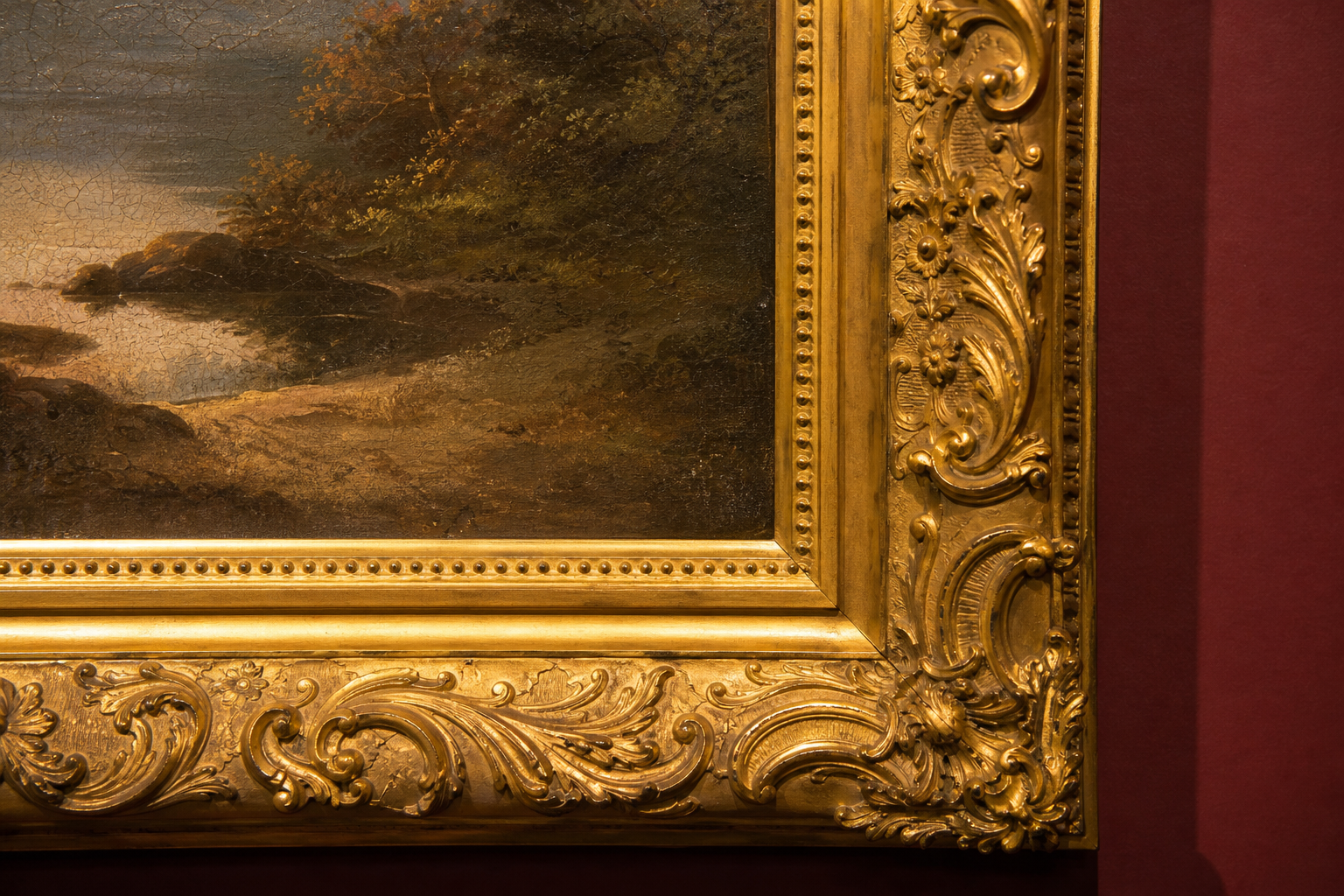
The aesthetic relationship between frame and painting also carries genuine financial implications. Period-appropriate framing — a gilded carved frame paired with a 19th-century American landscape, for example — signals authenticity, care, and provenance to buyers and appraisers alike. An ill-matched or damaged frame can suppress a painting’s perceived value at auction or during an estate settlement, even when the work itself is in fine condition. Our team understands how framing presentation intersects with market value, and we bring that knowledge to every professional framing consultation we conduct.
If you are considering reframing a painting, assessing a collection for condition concerns, or simply want to understand what your fine art is truly worth, working with a qualified specialist ensures that every decision — from materials to presentation — serves the long-term integrity of the work. For collections that have passed through estates or changed hands, understanding the full picture of condition and history is essential, and our appraisers are equipped to provide exactly that.
We invite you to connect with our team at Manzi Appraisers & Restorers, Boston’s locally owned and operated specialists with over 20 years of experience in fine art appraisal, restoration, and professional framing services. Call us today at 617-995-0022 or visit us on Facebook at https://www.facebook.com/ManziAppraisers/ to learn how we can help preserve and protect the value of your original paintings.