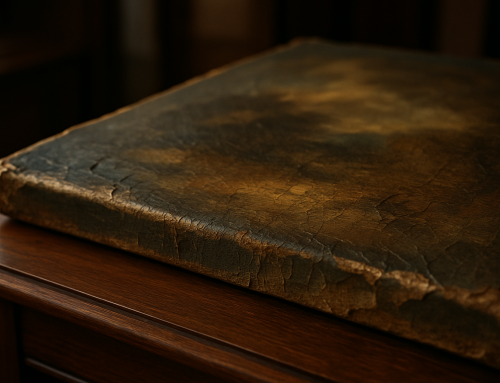
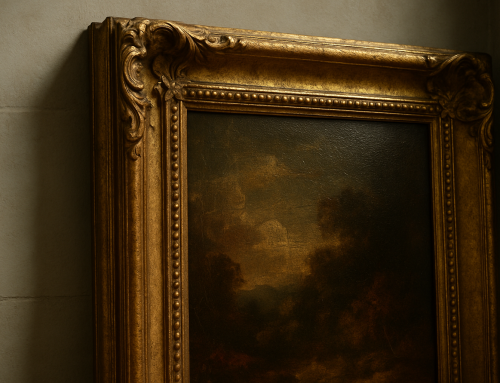
Antique painting deterioration rarely announces itself all at once. More often, it begins quietly — a faint crack along the canvas edge, a subtle shift in color, a barely perceptible flaking near the lower corner — and by the time many collectors notice something is seriously wrong, the damage has progressed far beyond what early intervention could have prevented. At Manzi Appraisers & Restorers, we have spent over 20 years as a locally owned and operated Boston firm helping New England collectors identify these warning signs before minor issues become major restoration expenses.
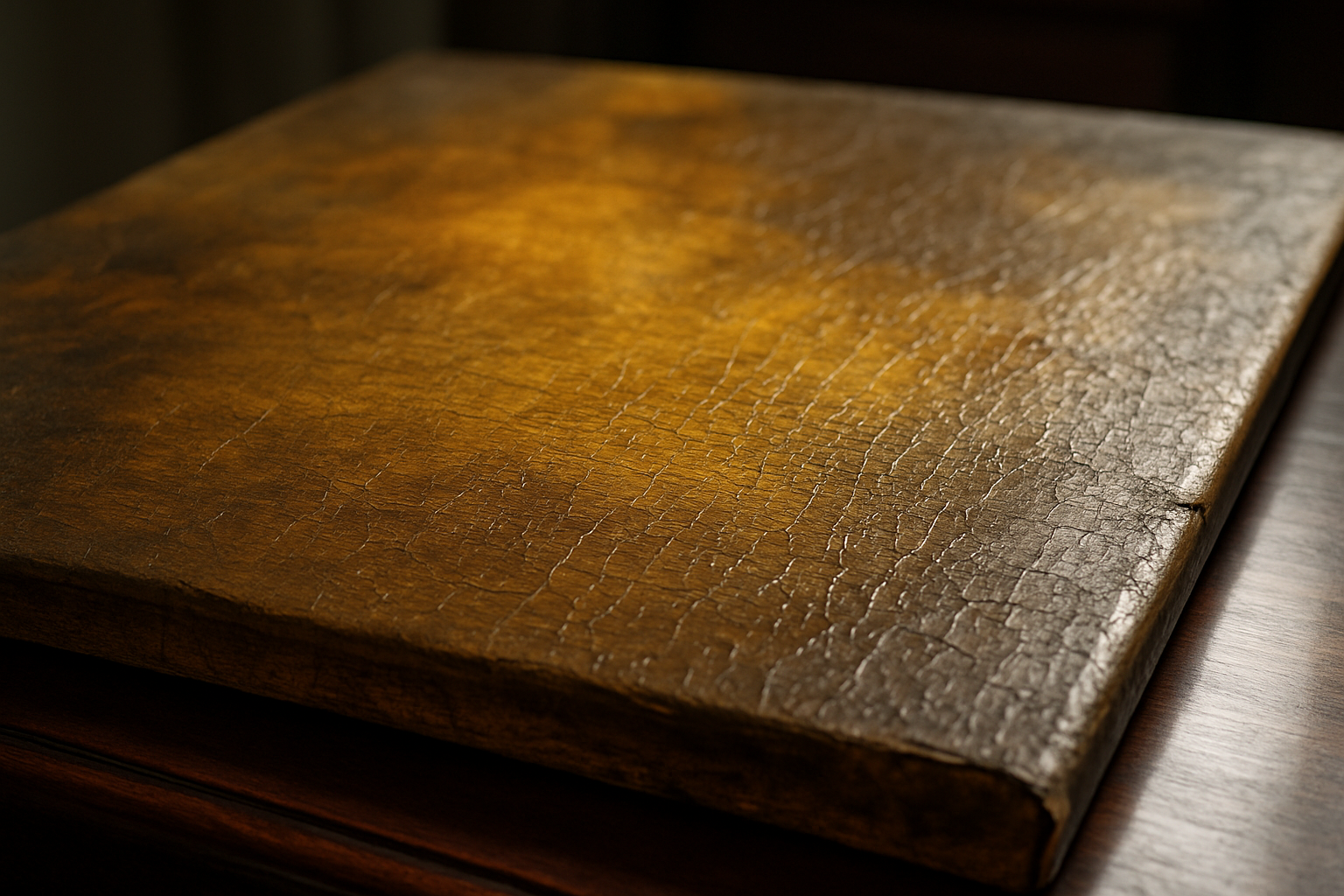
One of the earliest and most telling signs of trouble is craquelure — the network of fine cracks that forms across the paint surface as a painting ages. Some degree of age cracking is entirely normal and expected in antique paintings, but there is an important distinction between stable, historical cracking and active, progressive cracking that signals structural failure. When cracks appear jagged, wide, or begin to lift at the edges rather than lying flat, that is a sign the paint layer is losing adhesion to the ground layer beneath it. Left unaddressed, this condition leads to flaking and irreversible paint loss.
Canvas tension is another area we urge collectors to monitor carefully. A properly tensioned canvas should feel taut and resilient. When you notice the canvas sagging, bulging, or developing a pronounced warp, this indicates that the support structure is under stress. Fluctuations in humidity and temperature — both common in New England homes during August’s summer heat and through the cold winter months — accelerate this process significantly, cycling through expansion and contraction that weakens the bond between layers over time.
Discoloration and surface haze deserve equal attention. Old varnish naturally yellows and darkens with age, which can obscure the original palette and flatten the composition’s depth. While yellowed varnish is generally reversible through professional cleaning, other forms of discoloration — such as tide lines from water exposure, bloom from moisture trapped beneath the surface, or foxing — point to more serious underlying conditions that require expert assessment. Similarly, any spotting, mold growth, or unusual texture change on the surface is never something to ignore or attempt to address independently.
Perhaps the most overlooked warning sign is paint that appears raised or bubbled in isolated areas. This phenomenon, known as cleavage, occurs when layers of paint separate from one another or from the ground. Cleavage is one of the most time-sensitive conditions we encounter, because once a raised paint fragment detaches entirely, that area of the original work is lost permanently. Early consolidation by a trained conservator can stabilize these areas before loss occurs.
As a collector, the most effective thing you can do is develop the habit of examining your paintings in raking light — holding a lamp at a sharp angle across the surface — which reveals surface irregularities invisible under normal lighting. If any of the conditions described here sound familiar, do not delay in seeking a professional opinion. Protecting your collection extends beyond how art is stored and displayed — it requires ongoing vigilance about the physical condition of each piece.
At Manzi Appraisers & Restorers, our team combines decades of hands-on expertise with a genuine commitment to the collections we serve. Whether you have a single heirloom painting or a substantial collection, we encourage you to reach out for a professional assessment before small signs of wear become costly interventions. Call us at 617-995-0022 or connect with us on Facebook at https://www.facebook.com/ManziAppraisers/ to schedule a consultation with our experienced team.