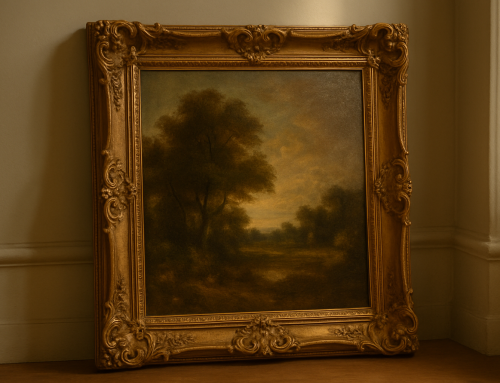
Inheriting fine art from a family estate is a deeply personal experience — and for many New England families, it also raises a genuinely difficult question: what should you actually do with the pieces you’ve received? Selling, donating, or keeping inherited fine art each carries distinct financial, emotional, and logistical consequences, and making the wrong choice without professional guidance can mean leaving significant value on the table or parting with something irreplaceable.
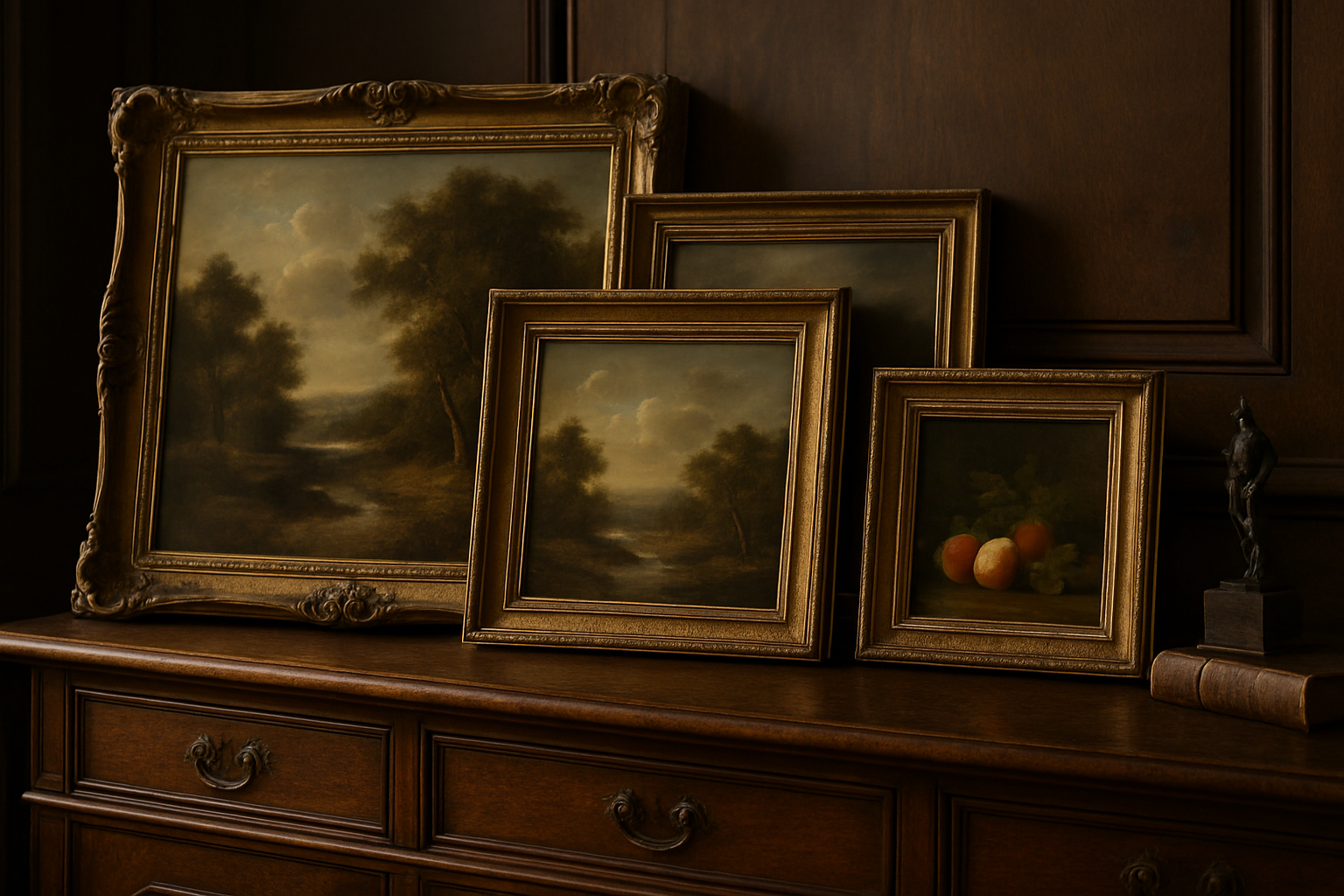
At Manzi Appraisers & Restorers, we are a locally owned and operated firm based in Boston with over 20 years of experience helping individuals, estate executors, and families navigate exactly these decisions. Our first and most consistent recommendation is always the same: before you commit to any path, have every piece professionally appraised. You cannot make a sound financial or personal decision about art whose value you do not know. What appears to be a modest landscape painting could be a work of genuine regional or historical significance — and the reverse is equally true.
For those considering selling inherited fine art, the appraisal process establishes a defensible fair market value that protects you in any transaction, whether you pursue auction, private sale, or consignment. Without this foundation, sellers routinely accept far less than a piece is worth, often from buyers who are far better informed. We guide our clients through a thorough process that includes condition assessment, provenance research, and current market analysis so that any sale decision is grounded in accurate data rather than guesswork.
Donation is another path that families often consider, particularly when pieces don’t align with personal taste or living arrangements. Donating art to a qualified institution — a museum, university, or cultural organization — can generate meaningful tax benefits under IRS regulations, but only when supported by a qualified appraisal completed according to IRS standards. Without proper documentation, the deduction may be disallowed entirely. This is precisely the kind of scenario where working with experienced professionals rather than attempting to navigate the process independently makes a decisive difference. Understanding how appraisal values shift over time is especially important here, since an outdated valuation may not reflect what a piece is worth today.
Keeping inherited fine art is, of course, a completely legitimate choice — and for many families it is the right one. However, retaining valuable works comes with responsibilities. Pieces should be properly insured at current replacement value, stored under appropriate environmental conditions, and monitored for signs of deterioration. As we move into fall in New England, fluctuating temperature and humidity levels inside older homes can accelerate damage to canvas, panel, and paper-based works. Having a professional assess condition before winter sets in is a practical step that protects your inheritance for the long term.
In many estates, the answer is not a single path but a combination — selling certain pieces, donating others, and retaining those with genuine family significance. We help our clients think through each item individually, applying professional judgment rather than a one-size-fits-all approach. If pieces ultimately need to be transported between estate locations or to auction, professional art handling ensures they arrive safely and without damage that could diminish their value.
If you are navigating decisions about inherited fine art from a family estate, we invite you to speak with our team directly. Call us at 617-995-0022 or visit us on Facebook at https://www.facebook.com/ManziAppraisers/ to learn more about how Manzi Appraisers & Restorers can help you make informed, confident decisions about your collection.