Fine art transport is one of the most consequential decisions a collector, estate executor, or gallery owner will make. A single misstep in packing, climate control, or handling can cause irreversible damage to a painting worth tens of thousands of dollars — or far more. As a locally owned and operated firm with over 20 years of experience serving New England, we understand precisely what is at stake when valuable works move between estates, galleries, auction houses, or storage facilities. The standards required for fine art transport are far more rigorous than most people anticipate, and the consequences of cutting corners are rarely reversible.

The first consideration is environmental stability. Fine art — particularly oil paintings, works on paper, and delicate sculptures — is acutely sensitive to fluctuations in temperature and humidity. New England summers, with their heat and humidity spikes, create real risk during transit. Even a brief exposure to extreme conditions inside an unregulated vehicle can cause canvas fibers to expand and contract, lifting paint layers from the surface or accelerating existing cracking. Proper fine art transport requires climate-controlled vehicles that maintain consistent temperature and relative humidity throughout the entire journey, not just at the point of departure and arrival.
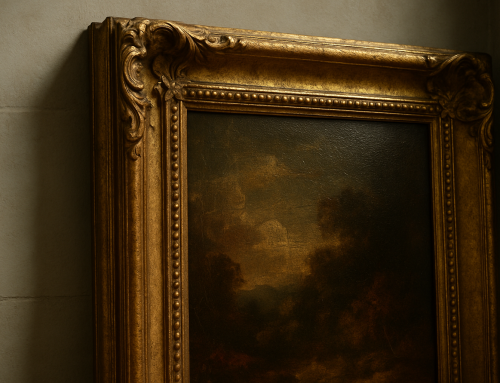
Packing methodology is equally critical. Museum-quality crating protects works from vibration, shock, and compression forces that occur during even routine road travel on New England’s older, uneven roads. Foam padding alone is insufficient for fragile or high-value pieces. Custom-fitted wooden crates, often lined with archival foam and barrier materials, are the professional standard for transporting significant paintings, sculptures, and decorative objects. For works with delicate surfaces — including gilded frames, impasto textures, or aged varnish layers — even gentle contact with improper packing materials can cause microscopic damage that compounds over time. If you have noticed subtle surface irregularities on a piece you own, reviewing our guidance on warning signs of deterioration in antique paintings can help you assess a work’s condition before it travels.
Documentation is another dimension of fine art transport that collectors and estate executors often overlook. Before any work leaves its current location, a thorough condition report should be prepared — noting every existing scratch, crack, abrasion, or area of instability. This record protects all parties and provides essential evidence if a damage claim arises during transit. We always recommend ensuring that works are covered by appropriate insurance for their full appraised value before they move anywhere. Understanding how professional appraisals support that process is essential, and our work in this area connects directly to how professional art handling and moving protects your valuable collection at every stage.
For estates in the process of transition, timing matters as well. Late summer is a particularly active period for estate settlements, gallery consignments, and property transitions across New England, making it a common — and risky — season for rushed decisions about moving art without proper preparation. We encourage clients to plan transport well in advance, allowing time for proper crating, scheduling, and insurance verification.
Manzi Appraisers & Restorers brings more than two decades of regional expertise to every aspect of fine art care, including coordinating the safe movement of valuable works throughout New England. If you are preparing to transport fine art from an estate, gallery, or private collection, we are here to guide you through every step with the professionalism your collection deserves. Call us at 617-995-0022 or visit us on Facebook at https://www.facebook.com/ManziAppraisers/ to speak with our team today.