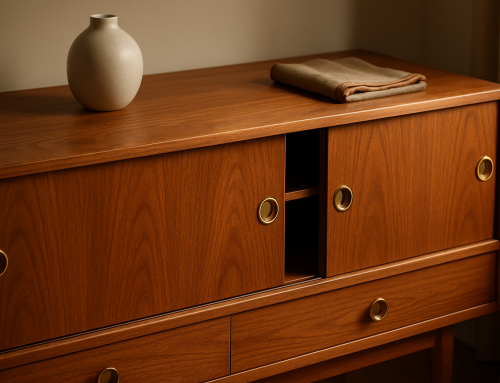
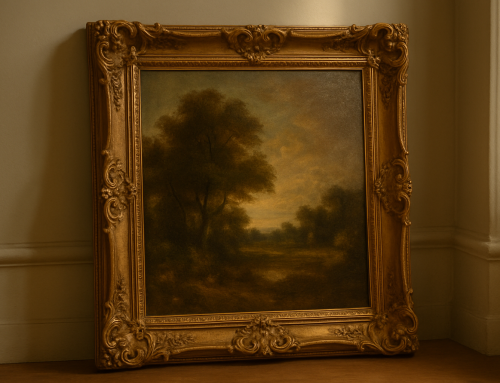
When you invite a decorative arts appraiser to evaluate your collection, the process is far more nuanced than a quick glance and an educated guess. At Manzi Appraisers & Restorers, our locally owned and operated firm has spent over 20 years developing the expertise to assess decorative arts with the precision and depth that serious collectors, estate executors, and insurance professionals demand. Understanding what we examine during a decorative arts appraisal helps you appreciate the rigor behind every valuation we deliver.
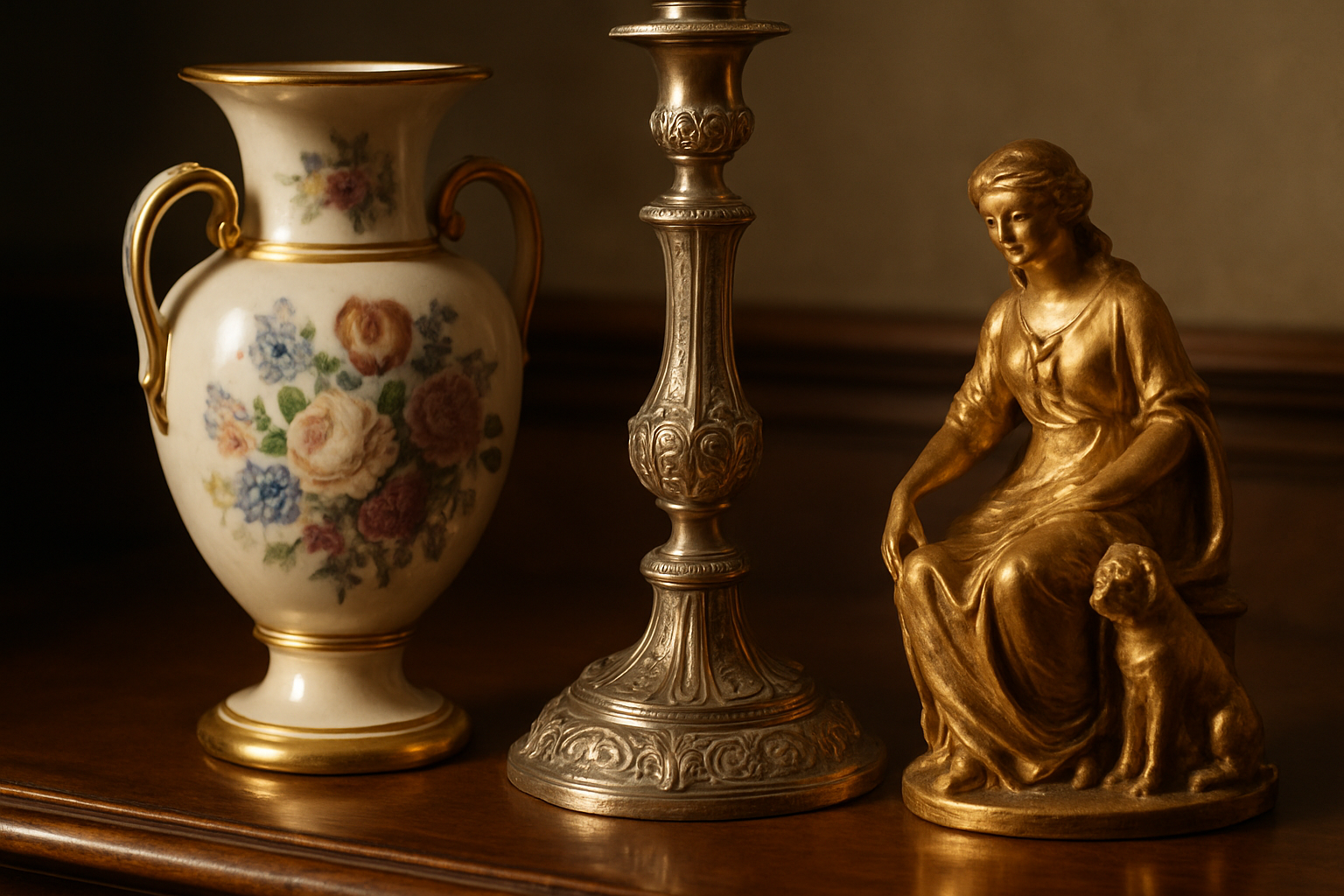
The first thing we evaluate is authenticity and attribution. For decorative arts — which encompasses ceramics, silver, glass, textiles, furniture, and sculptural objects — provenance and maker’s marks carry enormous weight. We scrutinize signatures, hallmarks, guild stamps, and factory marks under magnification, cross-referencing them against documented records and auction archives. A Meissen porcelain figure and a skilled reproduction may look strikingly similar to an untrained eye, but the distinction represents a dramatic difference in value.
Condition is the second major factor in any decorative arts appraisal, and it requires a trained eye to assess properly. We examine objects for hairline cracks, restoration work, replaced components, and surface wear that diminish value. Equally important, we identify original patinas, gilding, and finishes that have survived intact — these details often elevate value significantly. Summer humidity in New England, for instance, can accelerate certain types of deterioration in wooden or lacquered pieces, making timely appraisal important for collectors who store objects in spaces without climate control.
Period and style authenticity matter as much as physical condition. We assess whether an object’s construction methods, materials, and stylistic details are consistent with its purported period of origin. A piece attributed to the Federal period, for example, must reflect the joinery techniques, wood species, and decorative vocabulary of that era. Inconsistencies — even subtle ones — can signal later reproduction or significant alteration, both of which affect market value.
Market demand and comparable sales data are equally critical components of a professional decorative arts appraisal. Our team conducts thorough research into recent auction results, dealer pricing, and private sale records to establish where your object stands in today’s marketplace. The decorative arts market shifts based on collector trends, cultural interest, and regional demand, which is why local expertise matters. A local New England appraiser brings regional market knowledge that a generalist firm simply cannot replicate.
Finally, we consider rarity and desirability. An object may be old and authentic yet relatively common; conversely, a less aged piece from a limited production run by a celebrated maker can command a premium. We weigh all of these factors together to produce a defensible, well-documented appraisal that holds up for insurance purposes, estate settlement, or potential sale. If you are considering consignment, a precise decorative arts appraisal is the essential foundation, and understanding the full consignment process helps you move forward with confidence.
If you have decorative arts you would like professionally appraised, we welcome the opportunity to assist you. Manzi Appraisers & Restorers brings over 20 years of locally owned expertise to every engagement. Call us at 617-995-0022 or visit us on Facebook at https://www.facebook.com/ManziAppraisers/ to learn more about our appraisal services.