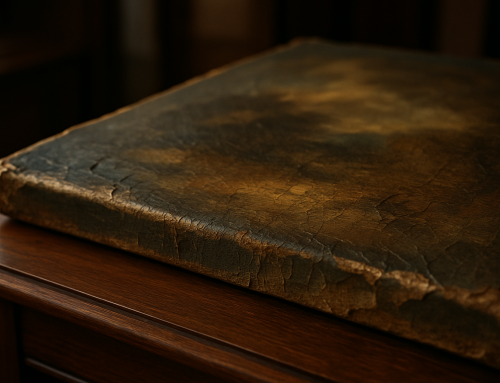
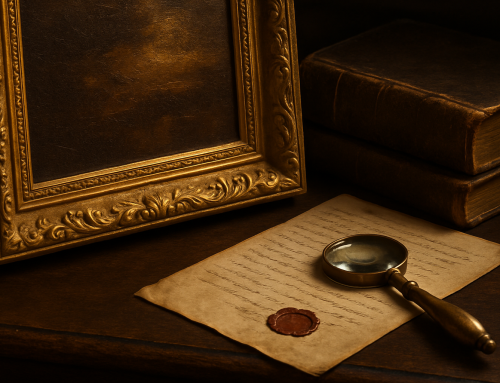
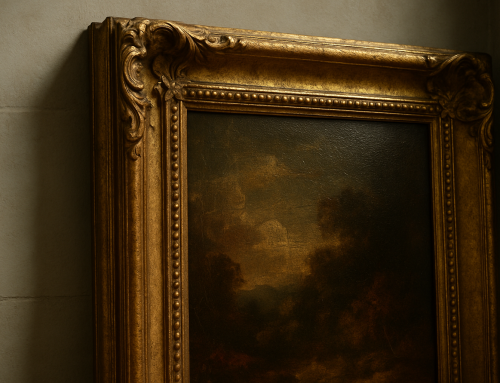
Art isn’t just admired—it’s inherited, collected, donated, and insured. But even the most carefully displayed paintings or stored works are vulnerable to the effects of time, environment, and human error. That’s where fine art restoration plays a vital role in protecting both aesthetic and financial value for generations.
We see a wide range of damage: yellowing varnish, flaking paint, water exposure, accidental tears, smoke staining, and frame deterioration. These conditions not only diminish appearance but can significantly reduce the artwork’s market value if left untreated. Restoration is not cosmetic touch-up—it’s conservation, aimed at stabilizing and preserving the original work.
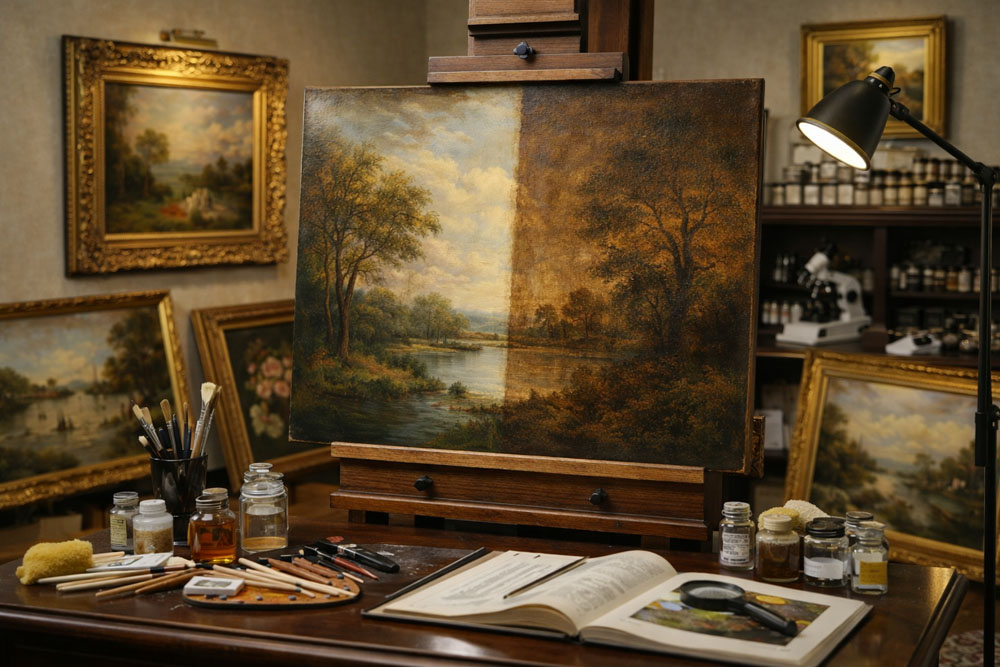
Our professional restoration process begins with a detailed examination. We assess the materials used by the artist, the current condition, and the history of any previous restoration. Using museum-approved techniques and materials, we clean, repair, and stabilize the artwork without compromising its integrity or historical context.
For example, old varnish is often removed and replaced with a conservation-grade layer to enhance color and protect the surface. Flaking paint is secured using reversible adhesives. Tears in canvas are mended and lined from the reverse side. In each case, our goal is to preserve as much of the original work as possible and keep any interventions both minimal and reversible.
Restoration also has a direct impact on insurance and appraisal. Damaged works appraise lower—not only because of the visible issues but because deterioration signals long-term instability. Once professionally restored, the work can regain much of its original value, both for market resale and for estate documentation.
Another often overlooked benefit is the preservation of legacy. Families who inherit artwork may wish to keep it, donate it to a museum, or sell it through a consignment arrangement. In each case, restored artwork photographs better, displays better, and presents better to appraisers, buyers, and institutions.
We also work closely with appraisers to ensure that any restoration is documented and transparent. Our reports and photography help establish condition before and after treatment—an important element in maintaining provenance and ethical clarity.
Restoration isn’t just for centuries-old oil paintings. We regularly work on 20th-century acrylics, modern mixed-media pieces, and even contemporary works on paper. Damage doesn’t discriminate by era. What matters is having the expertise to restore each piece according to its materials and historical importance.
We also restore antique frames, often hand-carved or gilded, that complement and protect the work itself. Frame damage—whether from impact, humidity, or poor mounting—can detract from the artwork and make it vulnerable. Restoration returns both beauty and function to these essential display elements.
Every piece has a story. Restoration ensures that story continues, not just for the current owner, but for the next generation.
To learn more about fine art conservation, visit The American Institute for Conservation.
Contact Manzi Appraisers & Restorers at (617) 995-0022 or visit our Facebook page to schedule a consultation for professional fine art restoration.
#ArtRestoration #PreserveFineArt #GenerationalValue