When a painting is faded or a piece of furniture is damaged, many clients ask: should it be restored before getting appraised, or appraised before being restored? The answer depends on the item, its condition, and the reason for valuation. Knowing which comes first can protect both the integrity and the value of your property.
As a general rule, we recommend appraisal first for most fine art and antiques—especially if you’re planning to donate, insure, or divide items as part of an estate. A qualified appraiser can determine current fair market or replacement value based on the item’s existing condition. This valuation sets a baseline for any future decisions, including restoration.
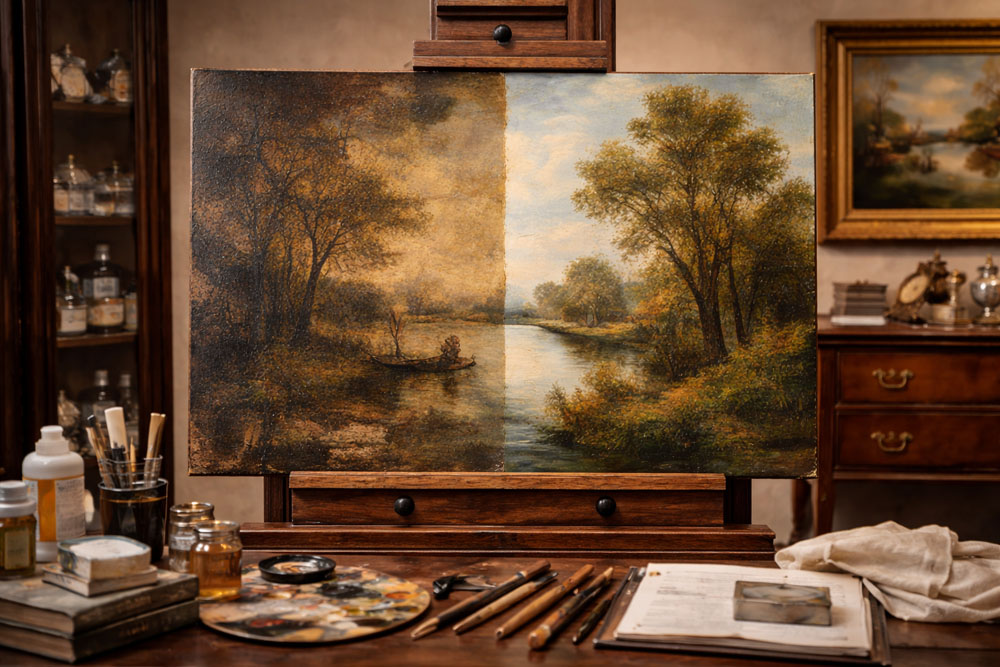
An appraisal done before restoration tells you what the piece is worth now, and what it might be worth if restored professionally. This creates clarity for decision-making. In many cases, we include a note about estimated post-restoration value, giving clients insight into the potential return on investment.
On the other hand, if the damage is so extensive that the piece is unrecognizable, unstable, or unsellable, restoration may be needed first to even qualify the item for meaningful appraisal. In these rare cases, we work closely with conservators to stabilize the item before completing a valuation.
Restoration affects value, but not always in the way you might expect. When done properly, it can significantly increase an item’s marketability and insurability. But amateur or excessive restoration can lower value by obscuring original elements or introducing irreversible changes. That’s why professional coordination between appraiser and conservator is essential.
Our team handles both services in-house or in close collaboration, ensuring that appraisal and restoration are aligned. For clients considering consignment, this is especially important—buyers want transparency, and a clear restoration history supports confidence and price integrity.
If you’re planning to sell an item, especially through consignment, appraise first. This allows us to identify whether restoration is recommended and whether it’s likely to increase the sale price. For items intended for family retention or donation, restoring after appraisal may enhance display value and personal enjoyment—especially if the piece is staying in the home.
Insurance claims are another common scenario. If a painting is damaged in a flood or fire, it must be appraised in its damaged state to determine the loss in value. Then, after restoration, a second appraisal can document the restored value. This approach ensures full compliance with insurers and helps secure proper compensation.
Ultimately, the right sequence depends on your goals. Appraisal protects financial interests, legal compliance, and future planning. Restoration preserves beauty, structure, and longevity. When done together, they provide a complete picture of your item’s past, present, and future worth.
To learn more about USPAP-compliant appraisals and restoration standards, visit The Appraisers Association of America and The American Institute for Conservation.
Contact Manzi Appraisers & Restorers at (617) 995-0022 or visit our Facebook page for guidance on when to appraise, restore, or do both—professionally and in the right order.
#AppraisalVsRestoration #AntiqueCare #FineArtDecisions