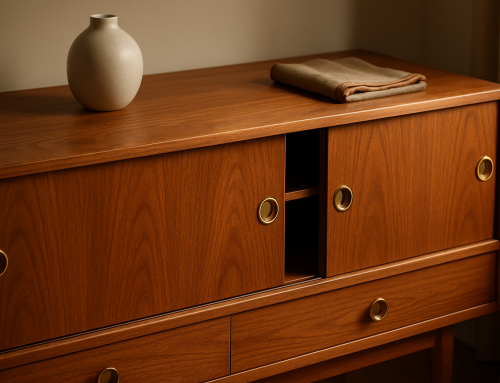
Contemporary decorative art and mixed-media works occupy a fascinating and often complex space in the appraisal world. Unlike a traditional oil painting with a clear provenance trail or a piece of antique furniture with established period markers, mixed-media and contemporary decorative art pieces challenge appraisers to think across disciplines, markets, and materials simultaneously. At Manzi Appraisers & Restorers, our locally owned and operated firm brings over 20 years of experience to exactly this kind of nuanced valuation work — and we understand that getting it right matters enormously for insurance, estate planning, and resale decisions.
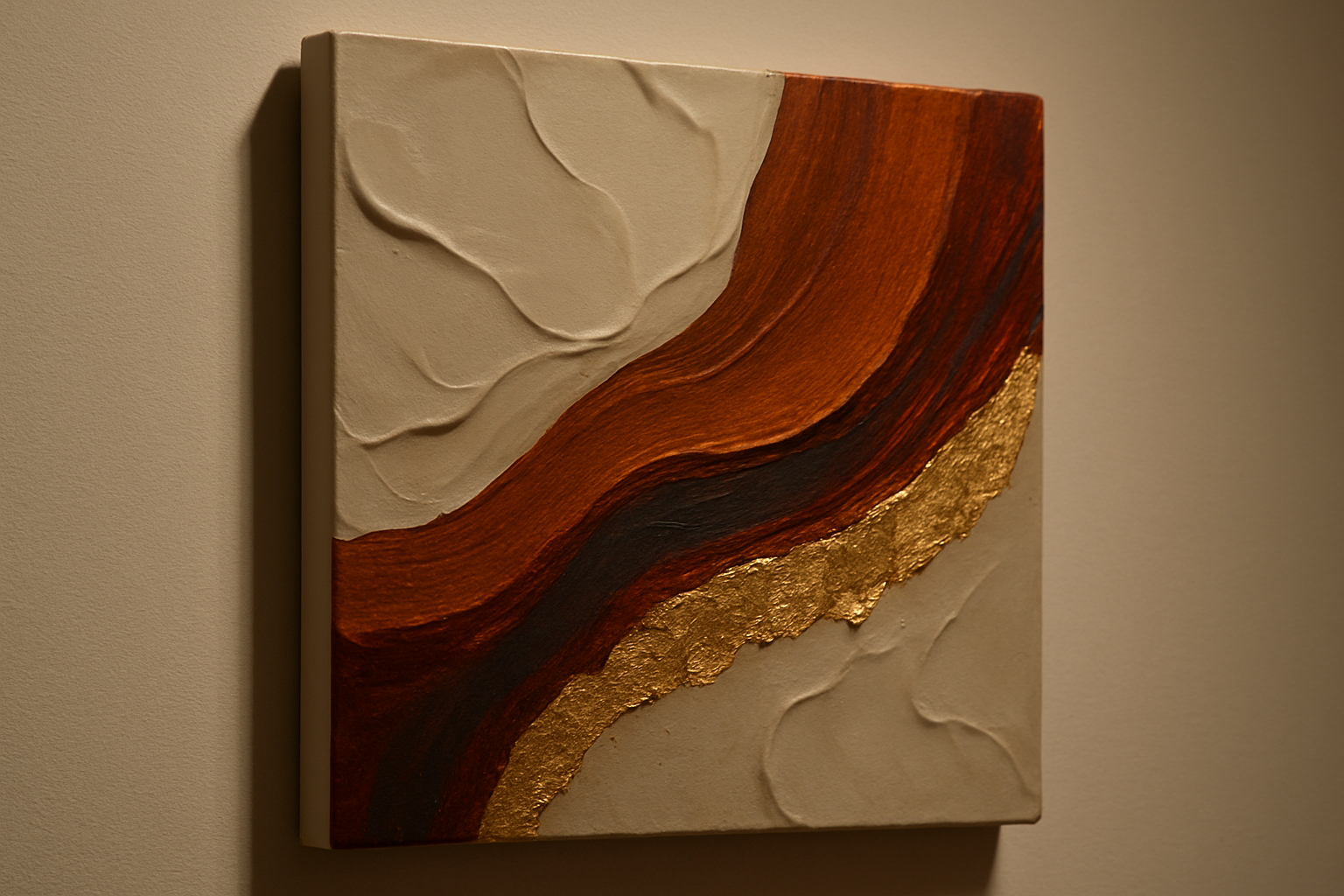
The first factor we examine is the artist’s standing in the contemporary market. For mixed-media works, this involves researching auction records, gallery representation, exhibition history, and critical reception. An artist with consistent sales at reputable auction houses, a strong exhibition record, or inclusion in recognized public or private collections commands a measurably higher valuation than one whose work circulates only in local or regional markets. This market context is foundational — without it, any figure attached to a contemporary piece is largely speculative.
Materials present a particularly compelling challenge in mixed-media contemporary decorative art appraisal. A work might incorporate oil paint, found objects, fabric, resin, metal, photography, or digital prints — sometimes all within a single piece. Each material ages differently, carries different conservation risks, and appeals differently to buyers. We assess the condition and integrity of every material component, because deterioration in even one element can significantly affect both the aesthetic and monetary value of the whole. Summer humidity in New England, for instance, can accelerate certain types of material degradation, making timely appraisal and proper documentation especially important for owners of these works.
Provenance and documentation carry tremendous weight for contemporary pieces. Unlike antiques, where age itself signals historical significance, contemporary decorative art derives much of its legitimacy from a verifiable chain of ownership, purchase receipts, gallery invoices, certificates of authenticity, and the artist’s own records. We carefully review all available documentation and flag any gaps that could affect valuation or future marketability. As detailed in our article on what decorative arts appraisers look for when valuing your collection, these documentation factors apply across categories — but they are especially decisive for works that lack the benefit of historical distance.
Edition, uniqueness, and scale also factor into our analysis. Is the piece a one-of-a-kind work, or part of a limited edition series? Is it a monumental statement piece or a smaller-format work? Both dimensions influence desirability and, consequently, value. We also consider how the piece fits within the artist’s broader body of work — whether it represents a signature style or an outlier — since collectors and institutional buyers weigh these distinctions carefully.
Finally, we cross-reference all findings against comparable sales data from relevant auction results and private market transactions, ensuring our valuations reflect the current reality of what informed buyers are actually paying. Our rigorous approach to market research for accurate fair market value appraisals means every figure we deliver is defensible and credible — whether you need it for insurance, estate purposes, or a potential sale.
If you own mixed-media or contemporary decorative art and need a professional appraisal you can trust, we invite you to connect with our team. Call Manzi Appraisers & Restorers at 617-995-0022 or visit us on Facebook at https://www.facebook.com/ManziAppraisers/ to learn more about our services and schedule a consultation.