Through decades of experience, we’ve seen firsthand how time, light, moisture, and handling can mar priceless paintings. Restoring fine art is both science and craft—an undertaking that requires deep knowledge of pigments, varnish behavior, structural supports, and historical context. Whether dealing with 18th-century oils or mid-century abstracts, each piece presents its own unique preservation challenges and opportunities.

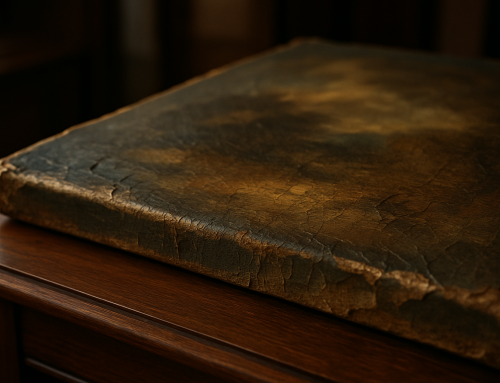
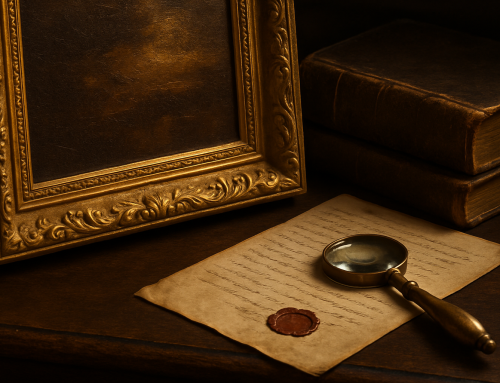
We begin every restoration project by carefully examining the artwork under magnification and ultraviolet light to identify fading, craquelure, discolored varnish, or previous repairs. This diagnostic stage guides our approach, ensuring we respect the original composition and artist’s intent. At this stage, we may consult archival documents or earlier photographs to confirm historical accuracy.
Once the artwork is evaluated, the stabilization phase begins. Tears, flaking paint, and weakened supports are addressed using archival adhesives and lining techniques to reinforce the structure. Our team is skilled in both traditional and modern conservation methods—whether using beeswax-resin lining for canvas paintings or thermoplastic adhesives that preserve flexibility while offering robust support. Structural repair is fundamental not just for appearance, but for long-term resilience.
The surface cleaning phase is where transformation becomes visible. Paintings often accumulate decades of grime, soot, and yellowed varnish that obscure their vibrancy. We blend custom solvents and pH-adjusted solutions to gradually reduce surface contaminants without harming original pigments. This delicate process is informed by testing swabs under controlled conditions, ensuring we strike the balance between effective cleaning and preserving integrity.
Varnish removal, one of the most critical steps, involves identifying the type of old varnish and determining its solubility. Discolored varnish is safely removed, layer by layer, revealing the true hues underneath. We then apply a new, stable, and reversible varnish to restore color depth and surface sheen. This new layer protects the painting from future environmental damage while also allowing future conservators to remove it safely, if needed.
When losses are present—whether due to water damage, flaking, or poor prior restoration—we apply conservation-grade fillers and carefully color-match using reversible in-painting techniques. Our pigments are selected for their longevity and transparency, ensuring harmony with original tones while remaining visible under UV or X-ray examination. Integration is key, but concealment is never the goal. We follow museum-grade ethics that preserve authenticity.
As we approach final steps, we apply a final varnish layer to protect the surface from pollutants, moisture, and UV light. The artwork is now not only visually restored but physically protected against future degradation. Throughout the process, we maintain comprehensive documentation including before-and-after photographs, detailed treatment notes, and materials used. These records serve as an invaluable resource for collectors, institutions, and future conservators.
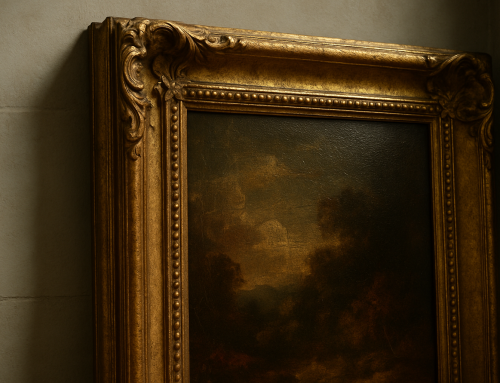
Once restored, artwork is often reframed or displayed differently to optimize protection. We coordinate closely with framers to select materials that support longevity—acid-free mats, museum glass with UV filters, and airtight backings. The correct framing can prevent future damage and elevate the presentation for home, gallery, or museum display.
Restored art becomes vibrant and resilient, but it also gains in both emotional and financial value. Proper restoration enhances clarity and depth, making colors and compositions come alive once more. For insurance valuations or estate transfers, having a professionally restored piece with full documentation ensures confidence and clarity. Museums, galleries, and private collectors trust our expertise to preserve irreplaceable cultural and historical treasures.
Whether you’re a private collector, gallery director, or descendant with family heirlooms, trusting trained professionals to handle restoration makes the difference between risky over-cleaning and safe, lasting revitalization. Restoration isn’t just about aesthetics—it’s about honoring the past, preserving investment value, and ensuring a legacy endures.
When it comes to preserving cultural and financial value, only expert care will do.
Contact Manzi Appraisers & Restorers at 617-995-0022 or visit our Facebook page to take the first step toward renewing your fine art.
#ArtRestoration #FineArt #ProfessionalConservation